The Studio:
Design Philosophy by Architect Thomas M. Politi
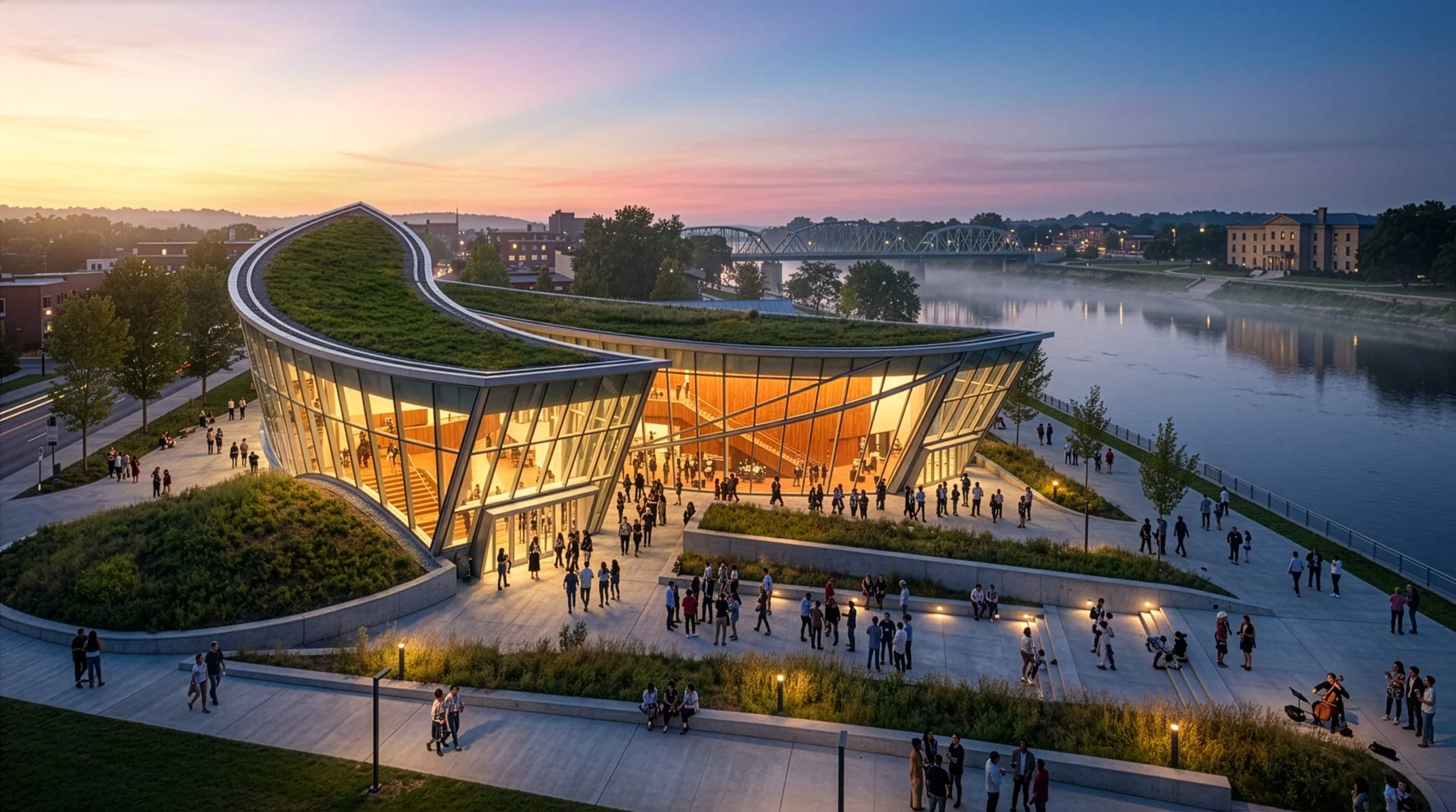
Politi Architecture advances a design methodology where architecture, landscape, engineering, and art converge into a unified spatial language. Rather than treating these disciplines as separate parts, our work dissolves their boundaries—allowing site, structure, systems, and experience to operate as one cohesive construct. This integration transforms buildings from static objects into dynamic environments shaped by context, performance, and human engagement.
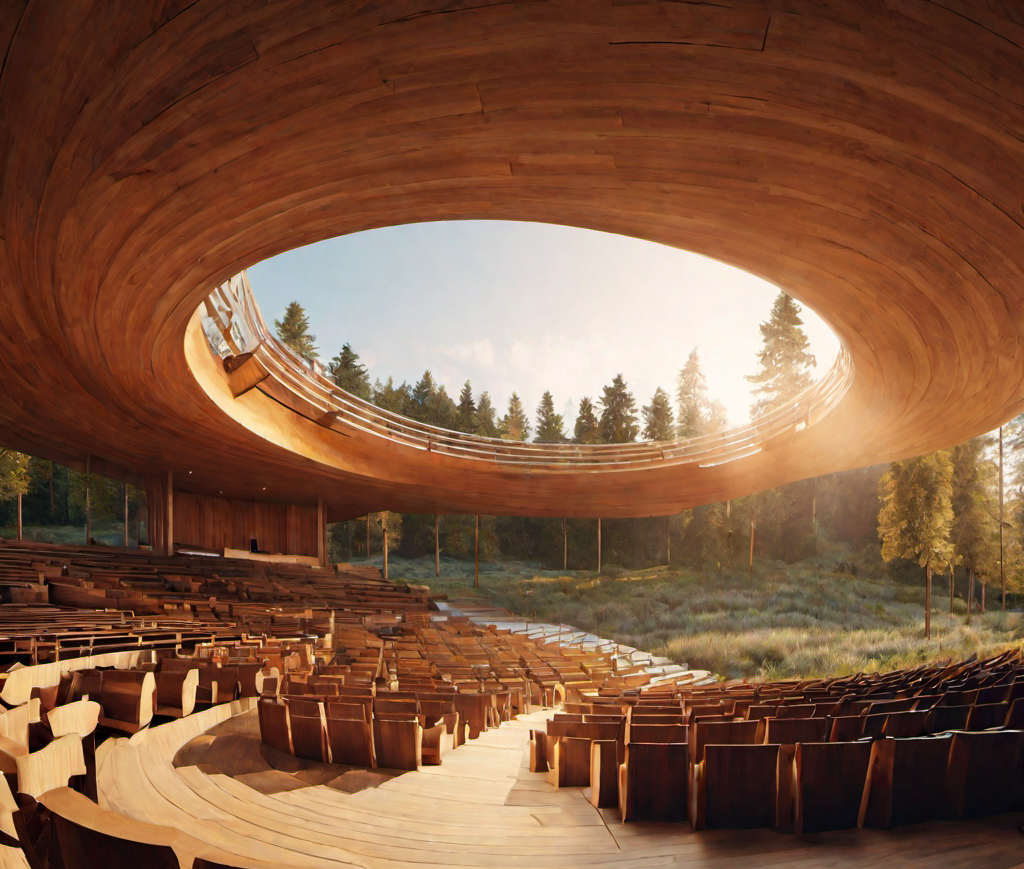
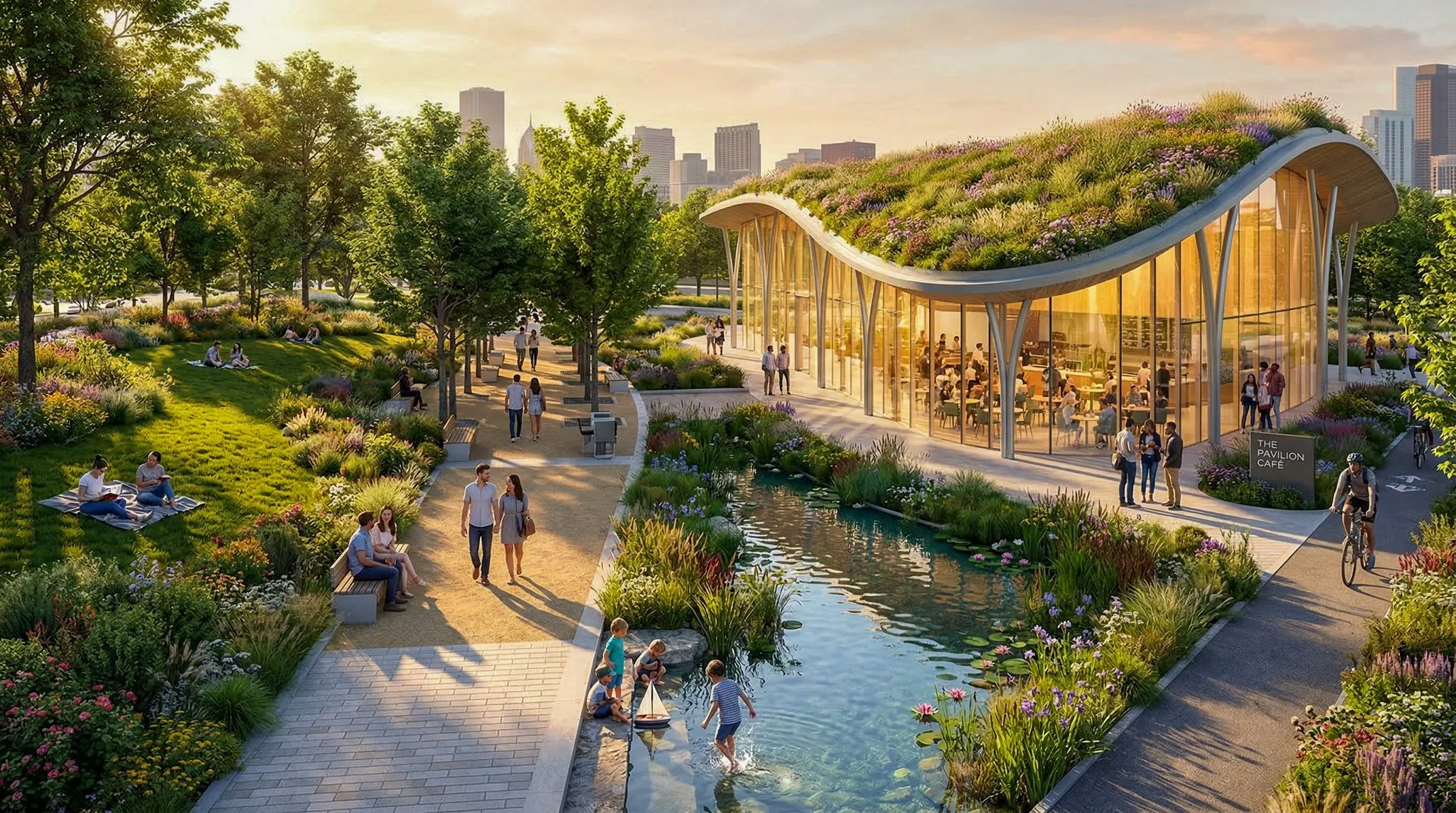
We push the discipline forward by redefining architecture as narrative. Each project is conceived as a sequence of spatial experiences, where light, material, and movement choreograph perception. The threshold between interior and exterior is intentionally blurred, creating continuous environments that extend beyond enclosure—amplifying both the individual experience and the broader urban or natural context.
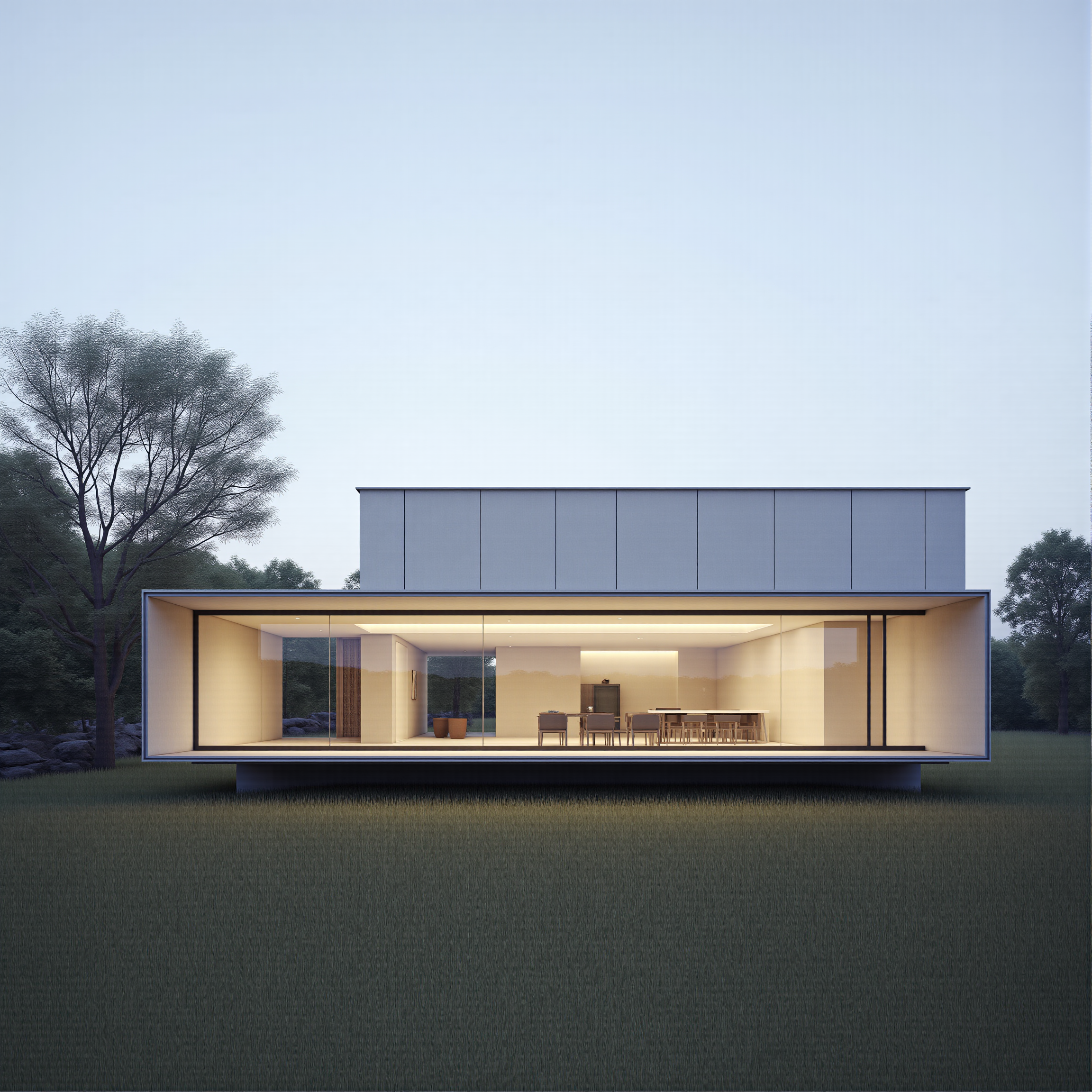
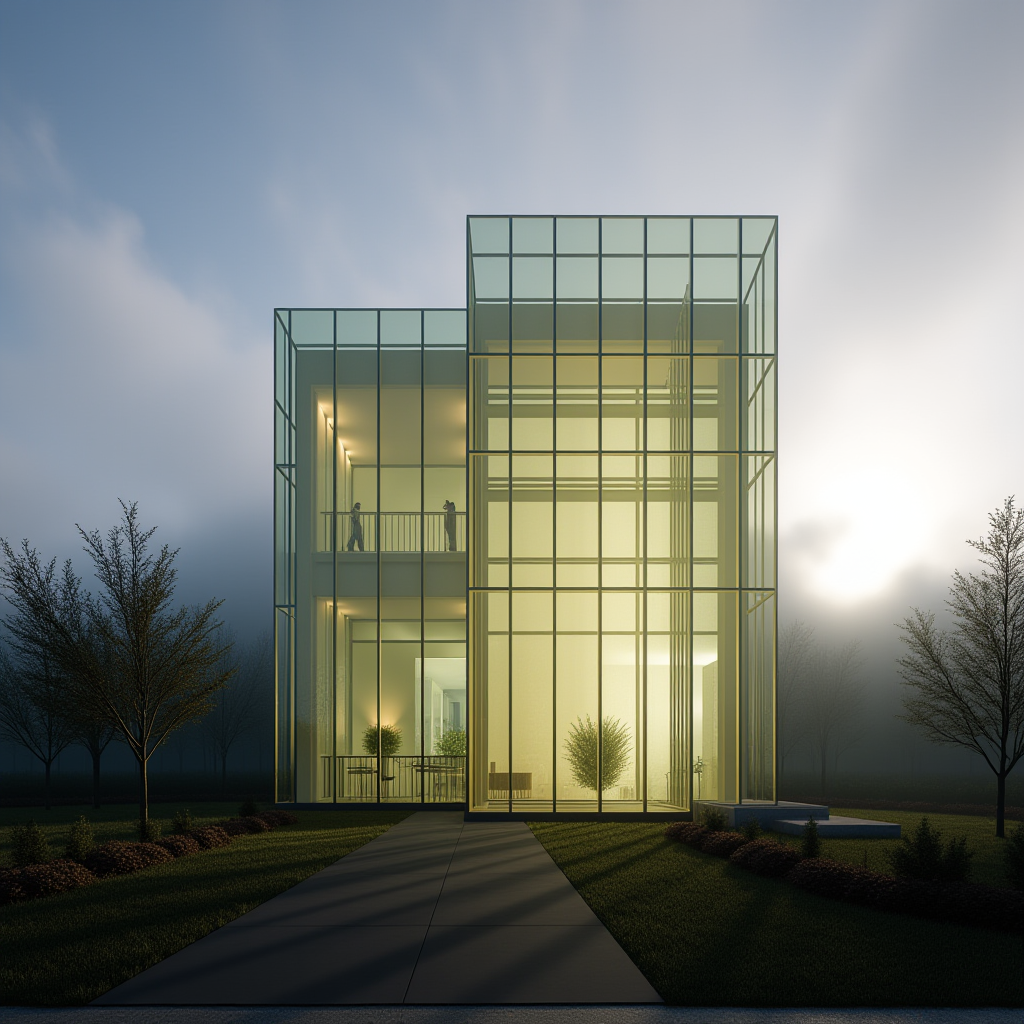
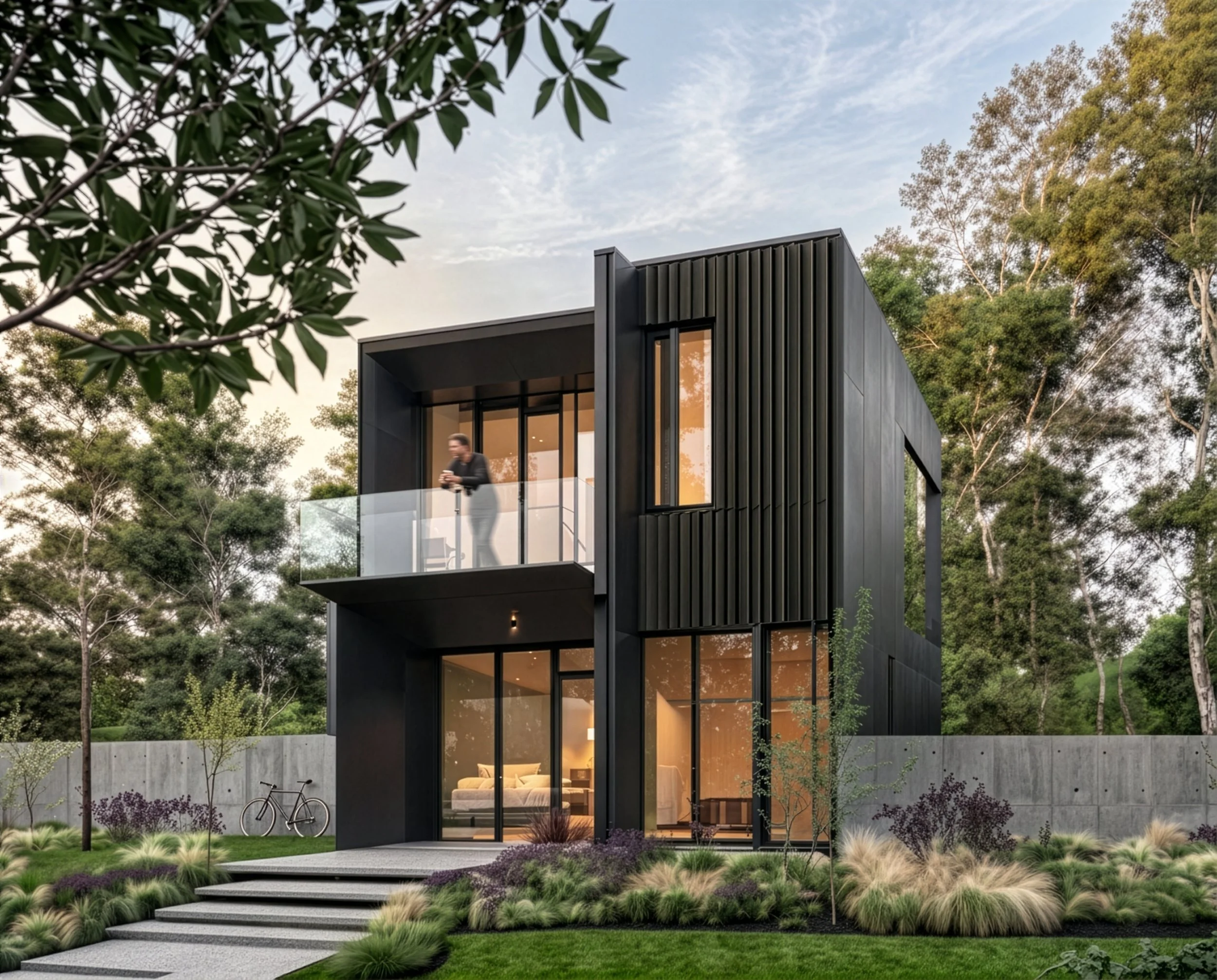
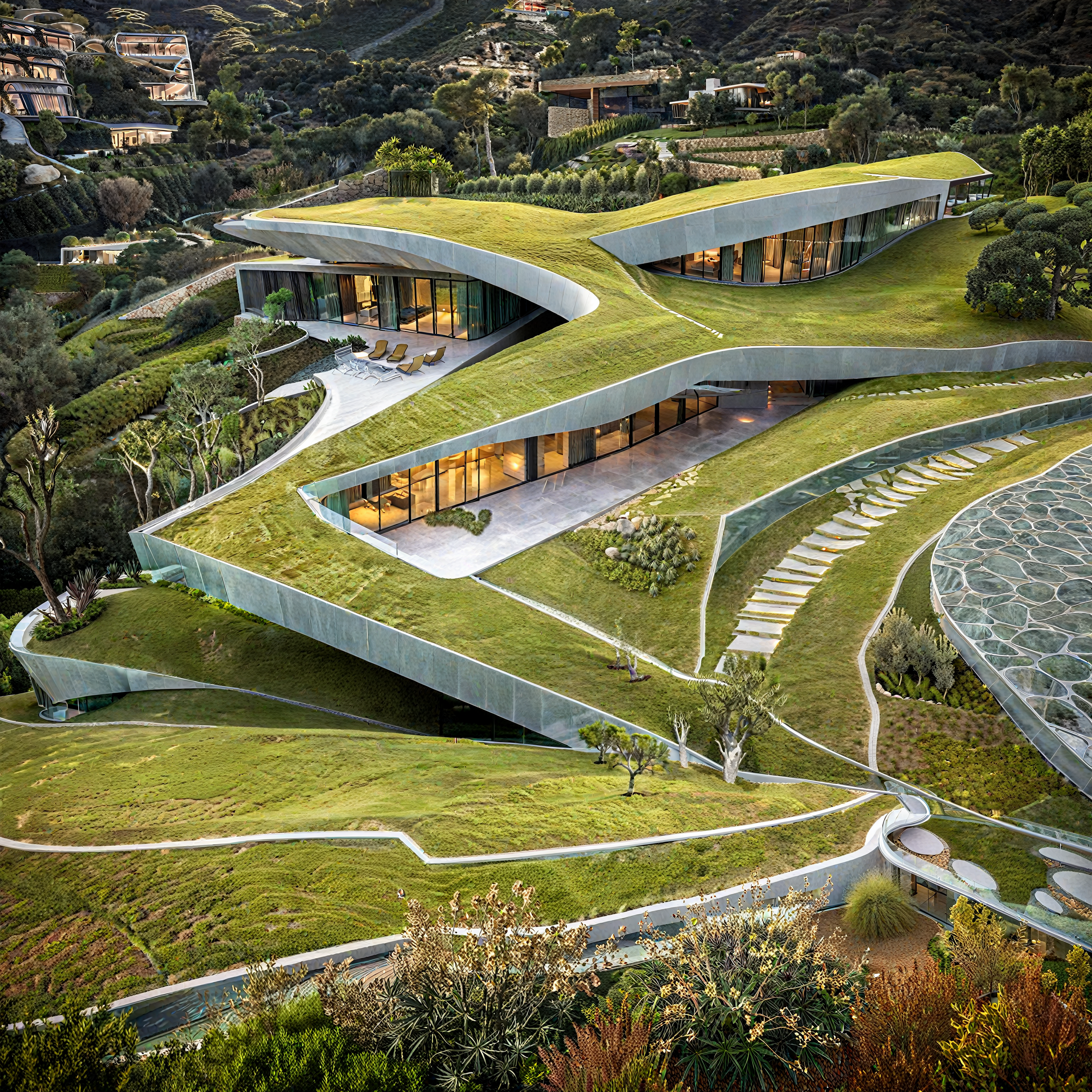
Innovation in our work is rooted in rethinking typology and form. Through projects such as our Case Study House, we explore intersecting volumes as a means of generating spatial tension, clarity, and new modes of living. These geometries are not formal exercises, but frameworks for experience—reshaping how occupants inhabit space and relate to one another.
Equally critical is our approach to architectural storytelling. We construct narratives through form, material, and atmosphere—where design emerges from environmental forces, cultural context, and human behavior. Our use of advanced visualization and cinematic representation extends this narrative, positioning architecture as both a physical and emotional medium.
In an industry often defined by repetition, Politi Architecture operates as a research-driven practice—testing ideas, challenging conventions, and elevating design as an act of inquiry. Our work seeks to not only respond to its context, but to redefine it—creating architecture that is immersive, resilient, and deeply connected to the human experience.
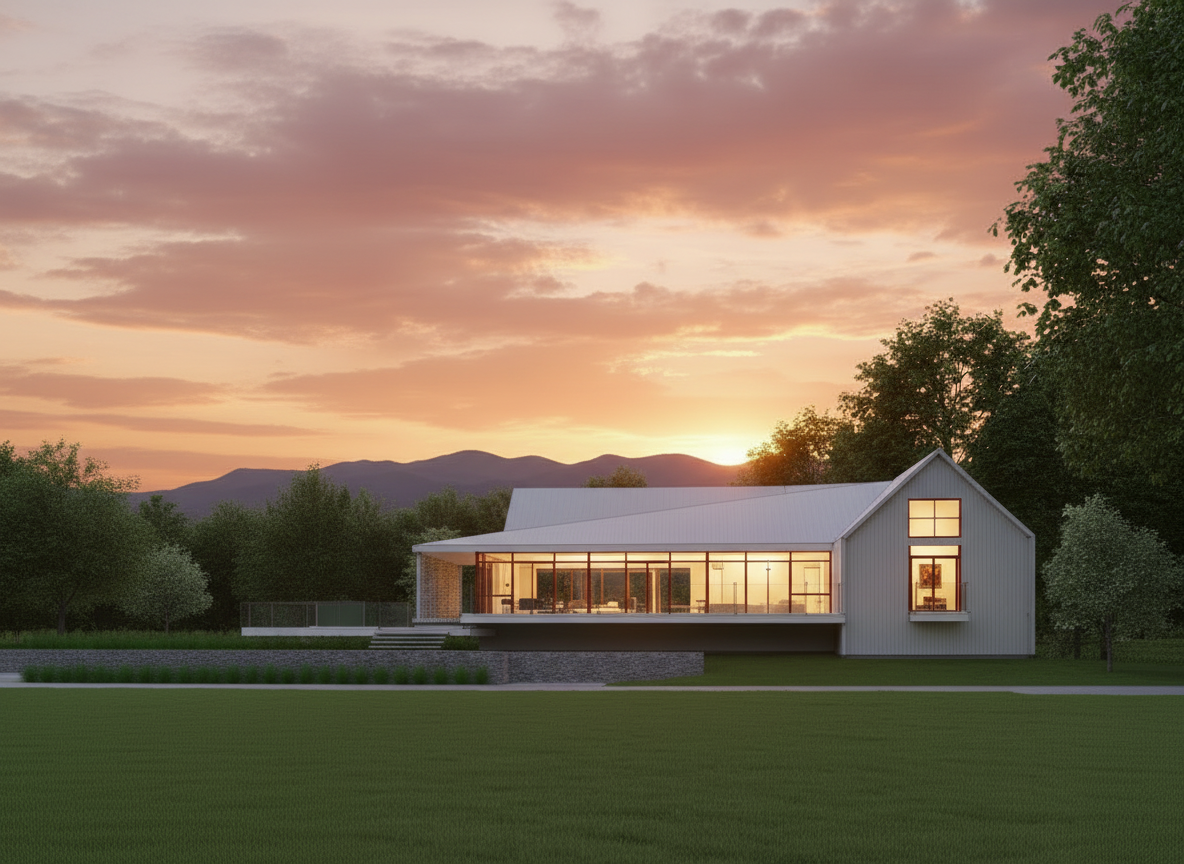
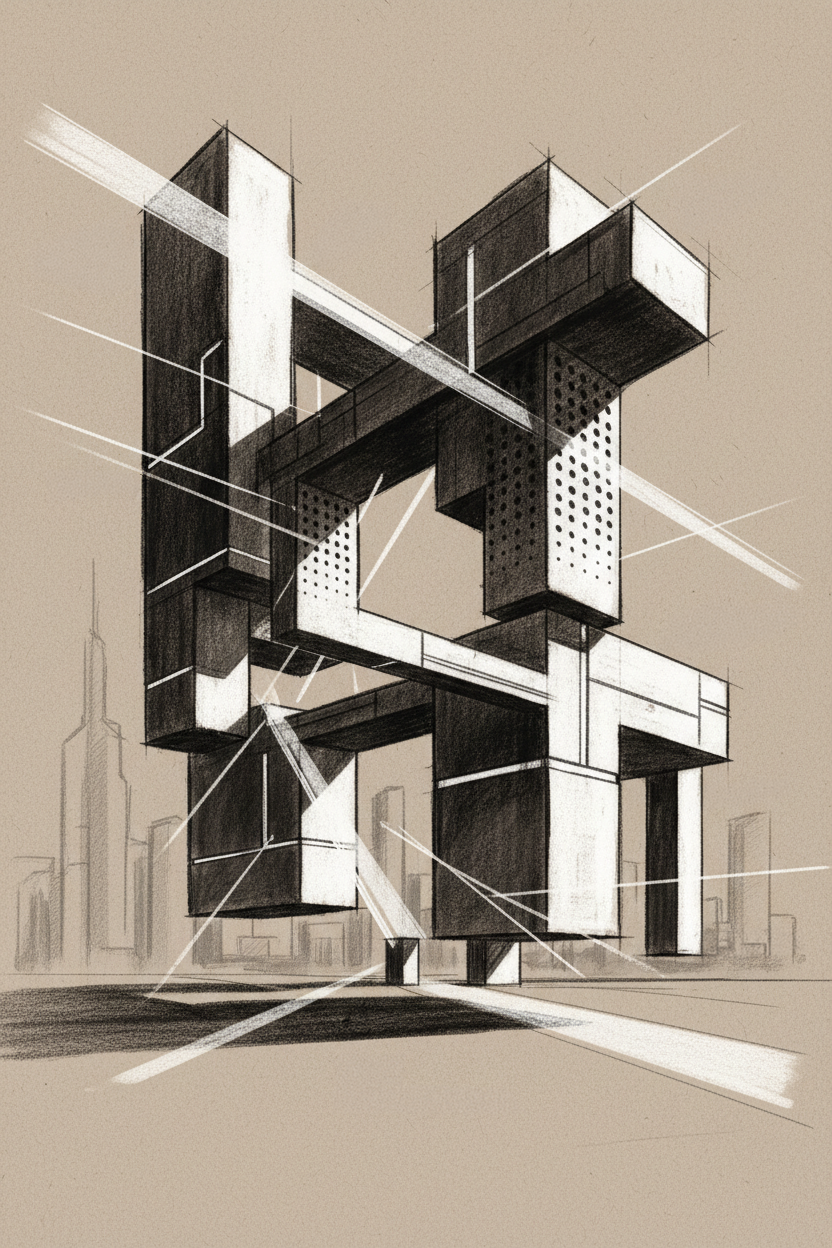
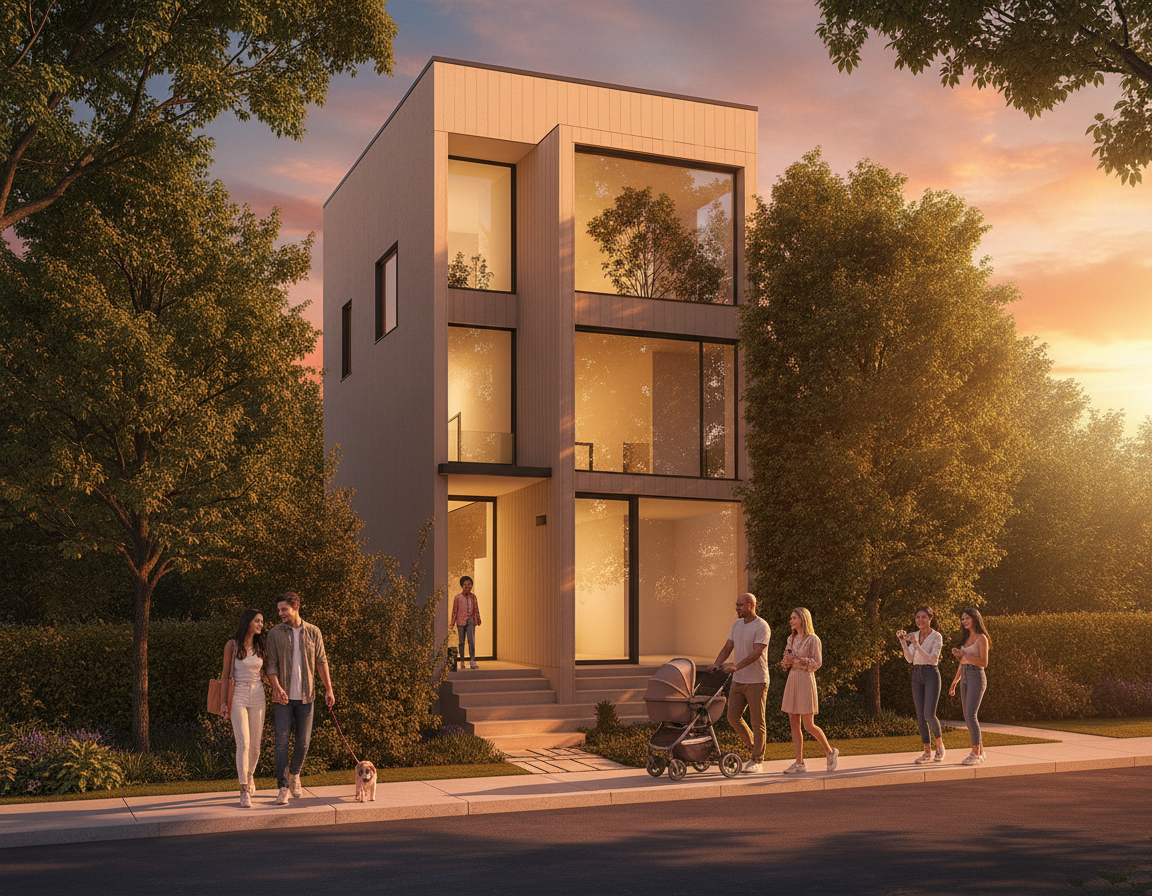
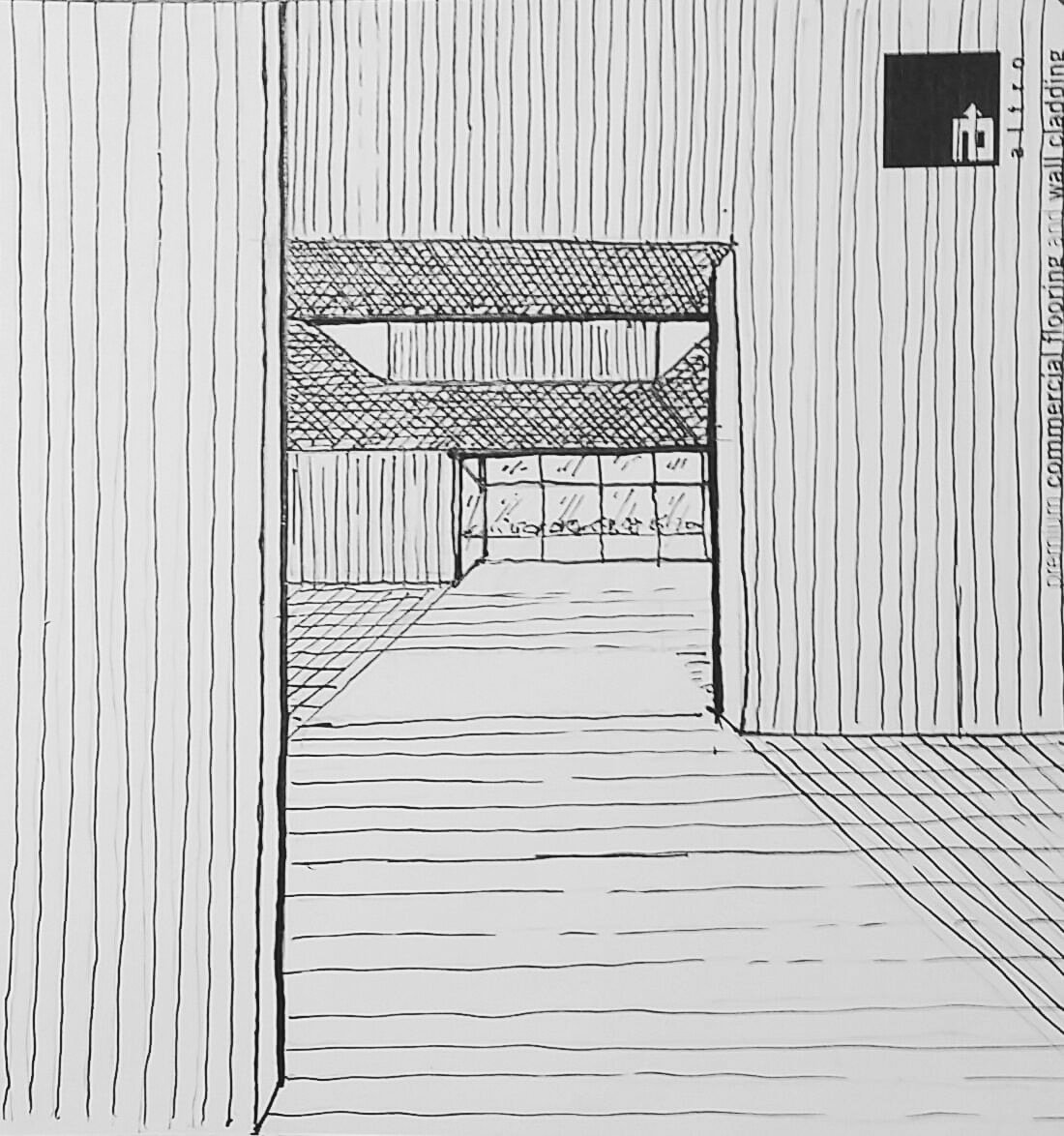
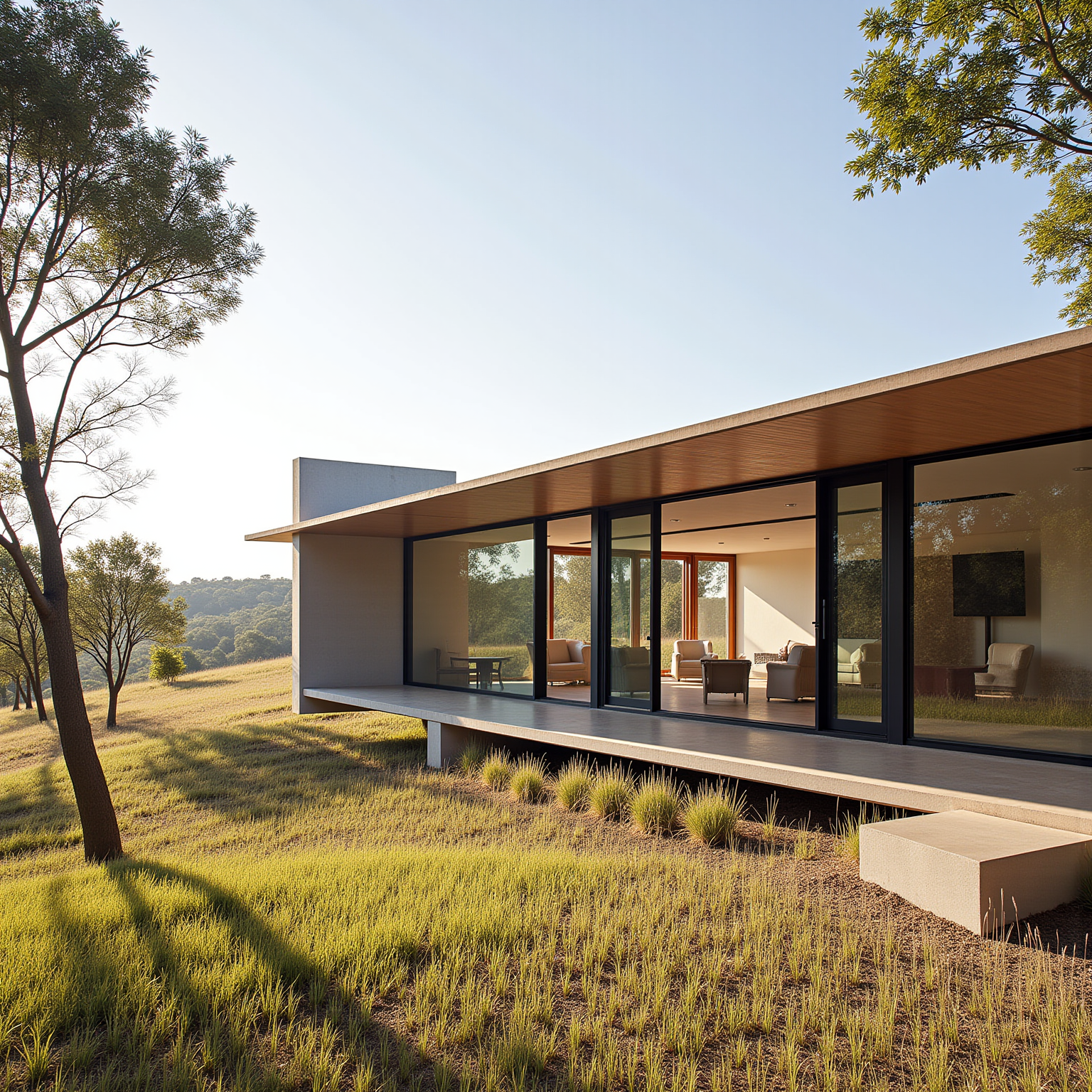
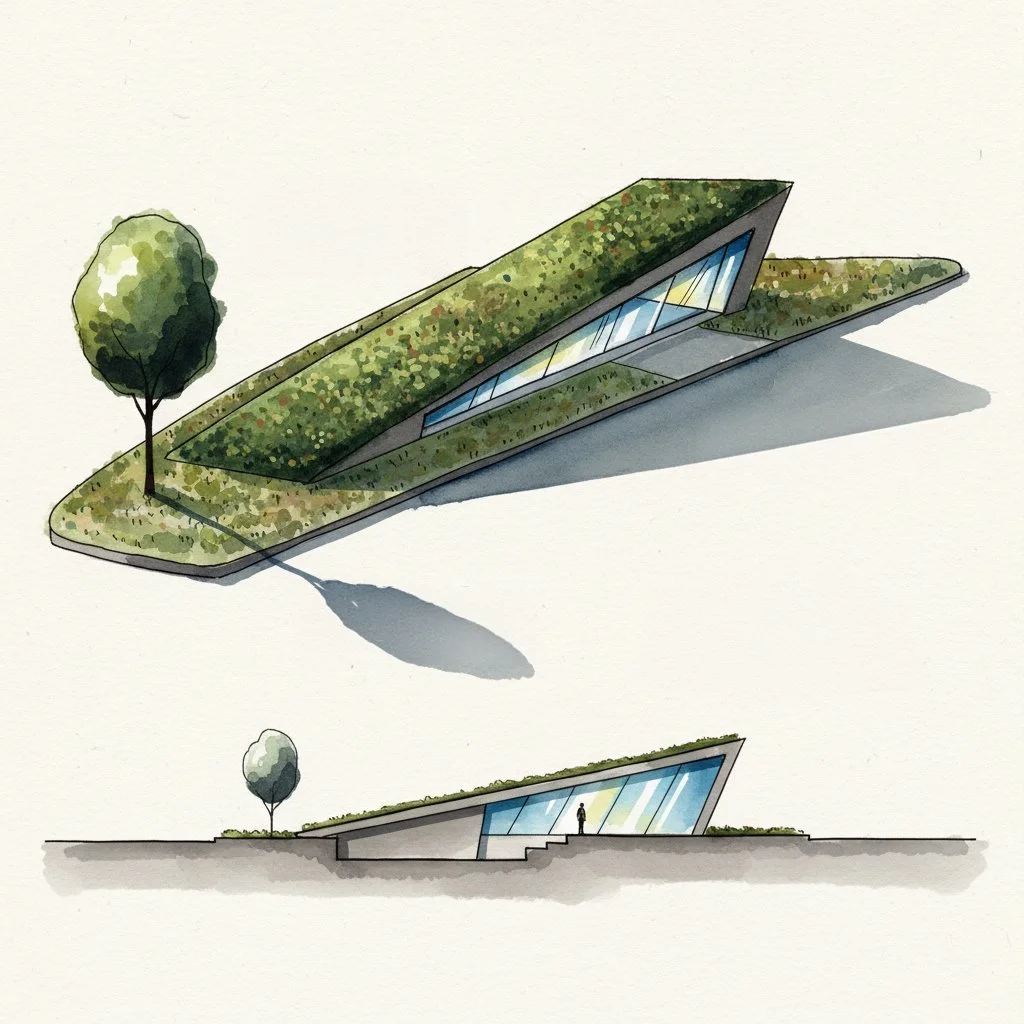
“In life one plays many roles, and their theater or stage for life is the architecture around them. Architecture becomes the setting for the story by creating a time, a place, and a spirit in which the events of life occur.
When this becomes understood, one should realize that architecture creates this three-dimensional backdrop that should complement, and inspire its inhabitants to interact with each other, the landscape, as well as with one’s inner soul.
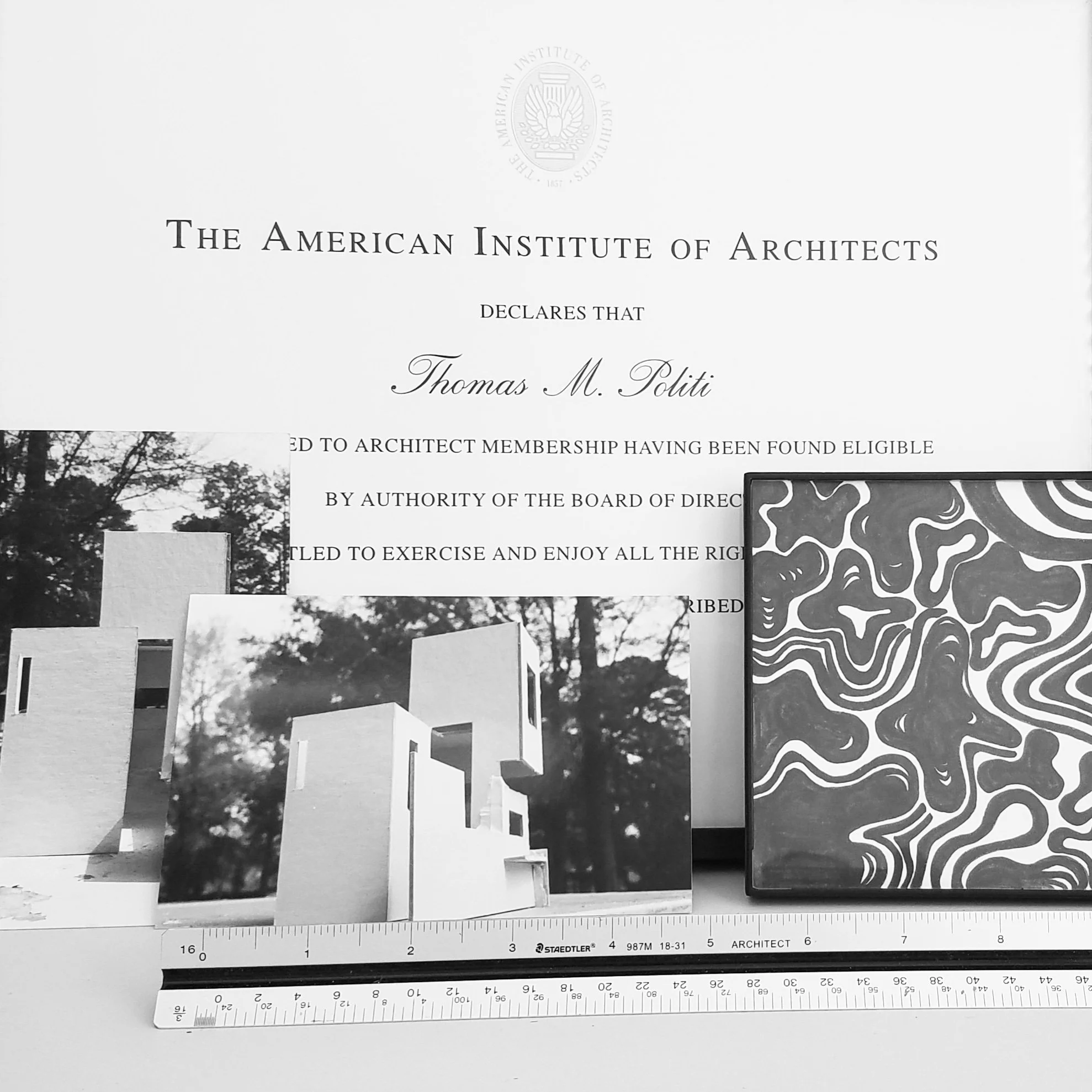
Architecture is humanely constructed, yet it should be as phenomenal and as graceful as nature. There is simplicity in form, structure, spatial composition in nature that should be realized and understood. It’s with this clear vision and understanding of the nature environment that should lead to an architecture that is a beautiful interpretation of both man and landscape.” - Thomas M. Politi, AIA, NCARB
-
The Process:
This journey involves seven key phases, each contributing to the successful realization of a project. Here is a brief breakdown:
Interview and Initial Explorations:
The process begins with an interview where the architect and client discuss project goals, vision, and requirements. Preliminary explorations help set the stage for what is to come.
Pre-design and Discovery Process:
The architect collects essential information about the site, budget, and any existing structures. During this phase critical analysis, the design team will develop the goals within the design. It is crucial to understand the context and constraints before diving into design.
Schematic Design:
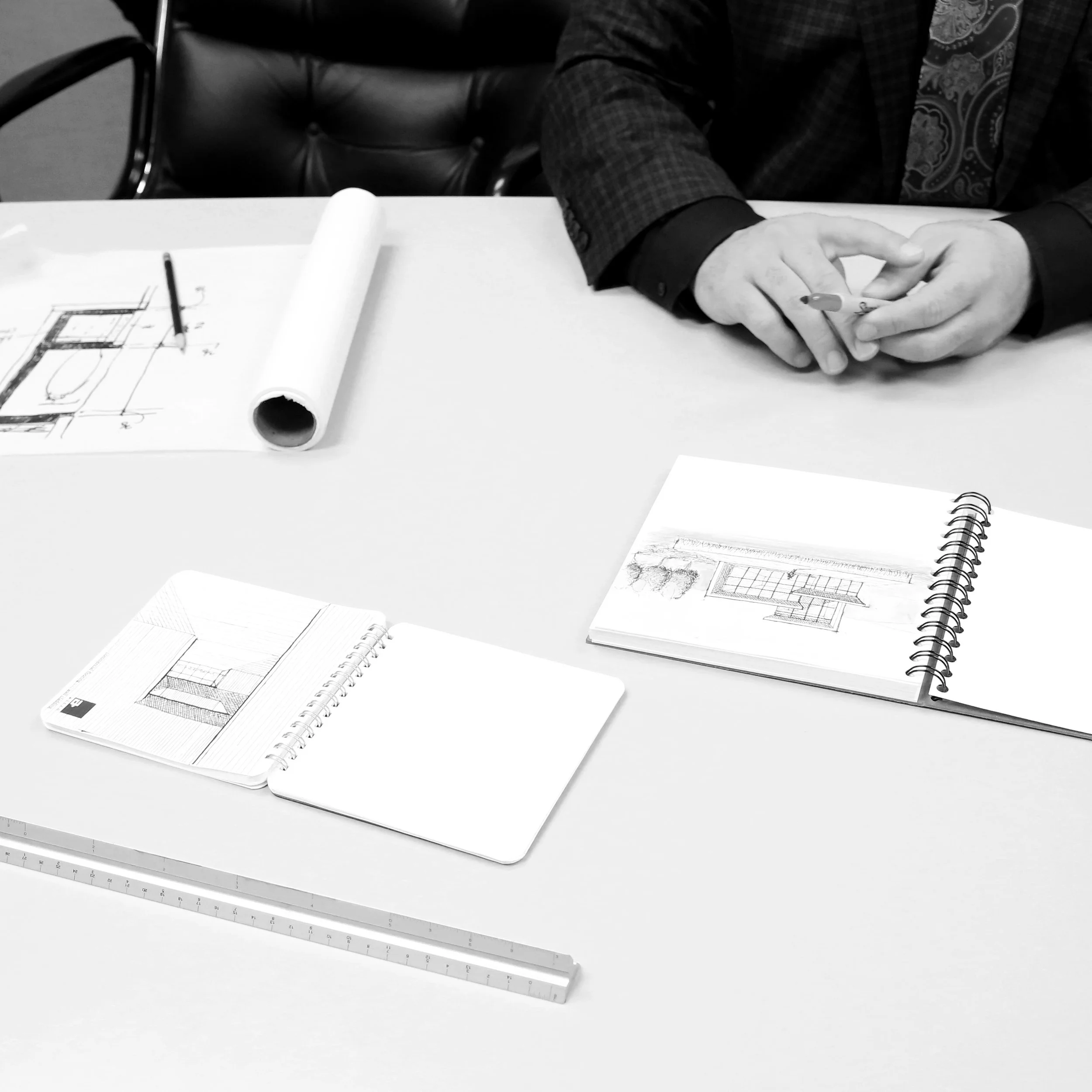
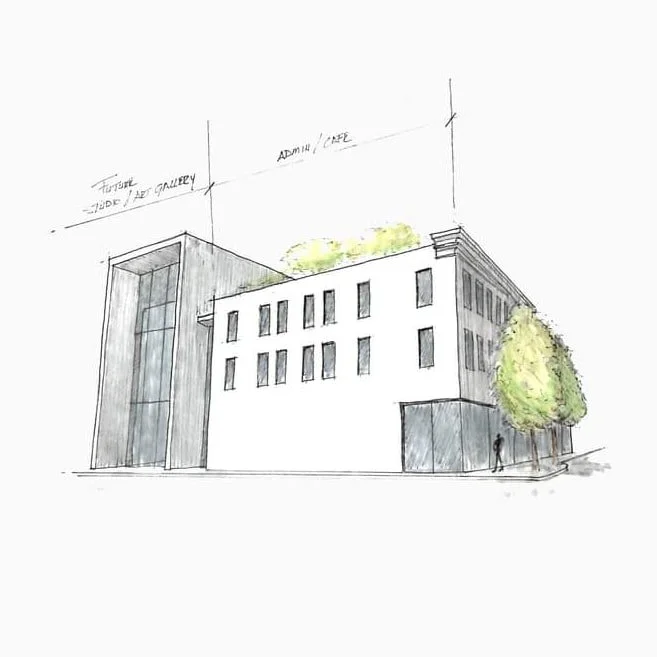
The architect collaborates with the client and will refine the project goals and requirements. The architectural program—a definition of the project’s required functions will be distributed to the design team for review. Study drawings and media illustrate design concepts, spatial relationships, and form. Zoning requirements and restrictions will be addressed.
Design Development and Permit Drawings:
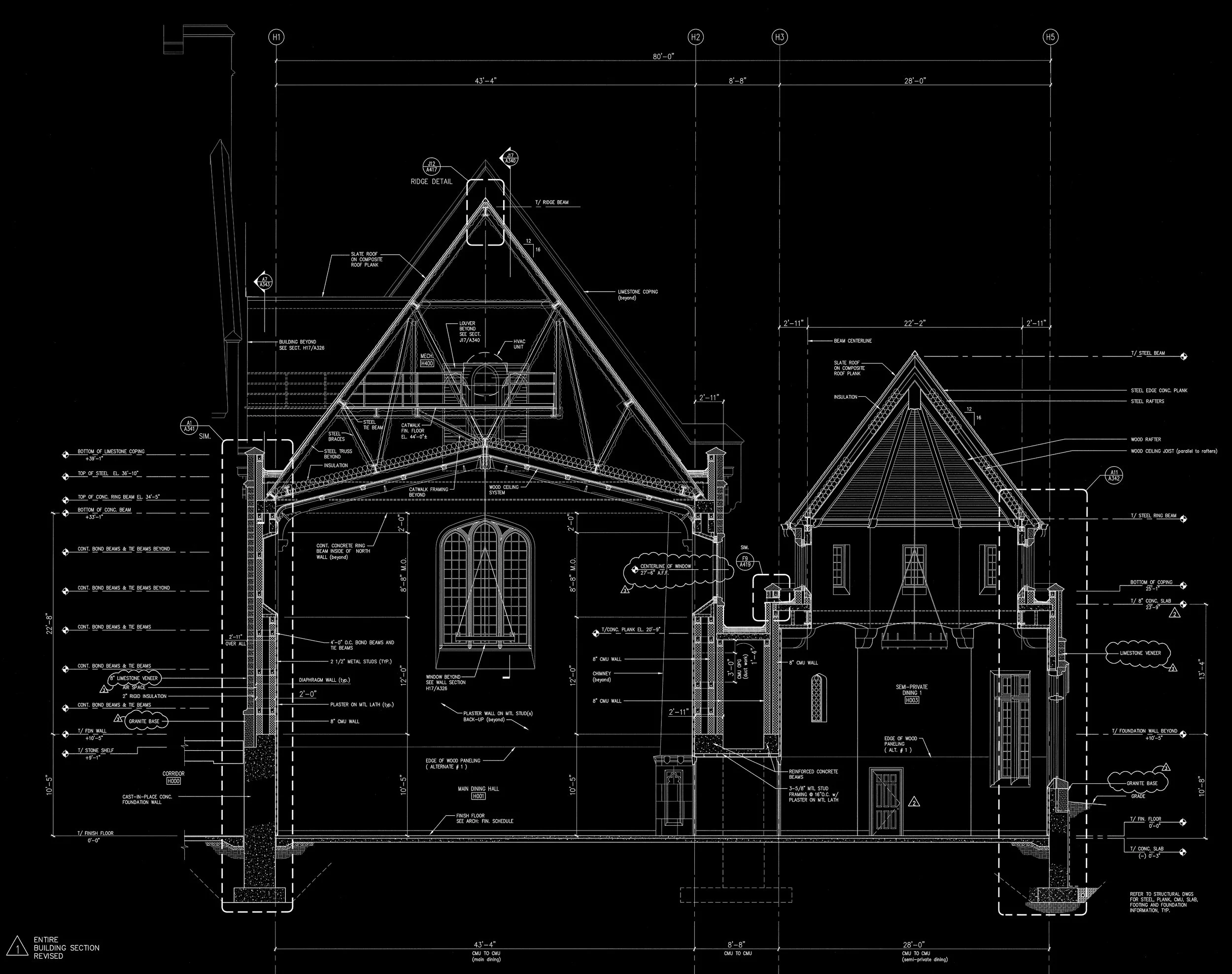
Building upon the schematic design, this phase fleshes out mechanical, electrical, plumbing, structural, and architectural details. Design development (DD) results in drawings that specify material types, window and door locations, and other critical elements. The level of detail depends on the owner’s request and project needs.
Construction Documents:
These comprehensive documents provide the necessary information for construction. They include detailed plans, sections, elevations, and specifications. Architects collaborate closely with engineers and other consultants to complete these documents.
Bidding and Negotiation with Contractors:
If required, the architect helps in the bidding process. Contractors give proposals, and the architect helps evaluate them. Negotiations follow, ensuring alignment with the project vision and budget.
Construction Administration:
During construction, the architect oversees the project, addressing any issues that arise. They collaborate with contractors, review progress, and ensure adherence to the design intent.
Remember, effective communication and collaboration between the architect and client are vital throughout this process. By understanding these phases, clients can actively take part and contribute to the successful outcome of their architectural project.
The Story:
Politi Architecture: Redefining Luxury and Elegance in Modern Architecture
Founded by visionary CEO Thomas M. Politi, Politi Architecture is a leading firm that merges luxury, innovation, and sustainability in architectural design. Thomas’s passion for creating high-performance, sophisticated spaces has driven the firm to anticipate and exceed the needs of discerning clientele within the high-end residential and boutique commercial markets. With over 25 years of industry expertise, Thomas established Politi Architecture to set a new standard of excellence in design.
From the outset, Thomas embraced a client-centered approach, blending artistry with science to create spaces that are as functional as they are visually stunning. The firm’s use of cutting-edge technology, impeccable craftsmanship, and a talented team of architects, designers, millworkers, and engineers has earned Politi Architecture a reputation for flexibility, precision, and innovation in an ever-evolving market.
Politi Architecture’s unique approach has positioned it as a top choice for affluent clients in New York, New Jersey, Connecticut, and Massachusetts, where it is renowned for integrating luxury with practicality and delivering exceptional quality. Thomas’s commitment to timeless elegance and unwavering standards has made the firm a trusted name in the architectural community.
With a career spanning diverse sectors—including residential, commercial, educational, government, and hospitality—Thomas brings a versatile, hands-on approach to every project phase, from concept to completion. This dedication ensures that each project remains true to its original vision, resulting in spaces that are meticulously crafted, innovative, and enduring.
Under Thomas’s leadership, Politi Architecture has become synonymous with adaptability, creativity, and technical excellence. Supported by an exceptional team, the firm is committed to transforming client visions into luxurious, enduring spaces that embody both elegance and sustainability. With in-house millwork capabilities and an unyielding commitment to quality, Politi Architecture stands out as a premier choice for clients seeking the highest standards in architectural design.